
Most adults experience diarrhea at least once or twice each year. While it is often caused by a short-lived viral illness, diarrhea can also result from food poisoning, medications, digestive disorders, or chronic medical conditions.
For many people, symptoms improve within several days with hydration and supportive care. However, diarrhea can occasionally lead to dehydration or signal a more serious illness that requires prompt medical attention. Knowing when you can safely recover at home and when you should seek care is an important part of staying healthy.
What Is Diarrhea?
Diarrhea refers to bowel movements that are loose, watery, and more frequent than normal. Most physicians define acute diarrhea as lasting less than 14 days. Diarrhea lasting 2 to 4 weeks is considered persistent, and diarrhea lasting more than 4 weeks is considered chronic and requires further evaluation.
Common Causes
Viral gastroenteritis remains the leading cause (norovirus, rotavirus, adenovirus). Food poisoning introduces bacteria or bacterial toxins from contaminated food. Medications such as antibiotics, metformin, magnesium-containing antacids, and some chemotherapy drugs frequently cause diarrhea. Food intolerance — lactose intolerance, artificial sweeteners, excessive caffeine — is common. Chronic digestive disorders such as irritable bowel syndrome (IBS), inflammatory bowel disease, celiac disease, and microscopic colitis can cause long-lasting diarrhea and require medical evaluation.
Common Symptoms
Diarrhea may occur with abdominal cramping, urgent bowel movements, nausea, vomiting, bloating, fever, fatigue, and loss of appetite. Some illnesses produce only diarrhea, while others affect the entire digestive system.
How to Stay Hydrated
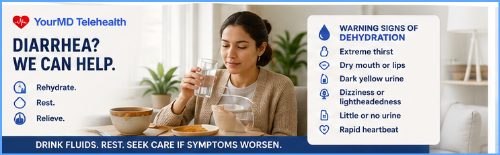
Replacing fluids is the most important part of treatment. Good choices include oral rehydration solution, water, clear broth, and electrolyte drinks (in moderation). Drink small amounts frequently if nausea is present, and avoid excessive alcohol while recovering.
What Should You Eat?
As symptoms improve, begin with foods that are easy to digest — bananas, rice, applesauce, toast, oatmeal, plain crackers, and boiled potatoes — then gradually return to a normal diet over several days. Temporary avoidance of greasy foods and large meals may reduce symptoms.
Should You Take Anti-Diarrheal Medication?
Sometimes. Medications such as loperamide (Imodium®) may help healthy adults with uncomplicated diarrhea. However, these should generally be avoided if you have bloody diarrhea, high fever, a suspected bacterial infection, or suspected Clostridioides difficile infection. Your physician can help determine whether anti-diarrheal medication is appropriate.
Do You Need Antibiotics?
Usually not. Most diarrhea is caused by viruses or resolves without antibiotic treatment. Antibiotics are reserved for selected bacterial infections after careful evaluation — unnecessary antibiotics may actually prolong certain infections or increase the risk of complications.
Diarrhea After Antibiotics
Antibiotics disrupt the normal bacteria that live in the intestines. Most cases are mild, but some patients develop Clostridioides difficile (C. diff) infection, which may cause frequent watery diarrhea, fever, abdominal pain, and severe illness. Patients who recently completed antibiotics and develop significant diarrhea should seek evaluation promptly.
When Should You See a Doctor?
Medical evaluation is recommended for diarrhea lasting more than three days without improvement, moderate dehydration, fever over 101.5°F (38.6°C), persistent vomiting, significant abdominal pain, recent international travel, recent hospitalization or antibiotic use, pregnancy, or diabetes/immune suppression.
Can Telehealth Help?
Yes. Many gastrointestinal illnesses can be safely evaluated through telehealth. Your physician may ask about the number and duration of bowel movements, fever, blood, recent travel or antibiotics, sick contacts, hydration, and medical history. Based on your symptoms, your physician can recommend home treatment, prescribe medication for nausea when appropriate, or determine whether stool testing or emergency care is necessary.
Frequently Asked Questions
Is diarrhea always contagious?
No. Although viral gastroenteritis spreads easily, diarrhea caused by medications, food intolerance, or chronic digestive diseases is not contagious.
Can stress cause diarrhea?
Yes. Stress commonly worsens symptoms in patients with irritable bowel syndrome.
Should I stop eating?
No. Resume eating bland foods as tolerated while continuing adequate fluid intake.
Can probiotics help?
Some patients benefit from probiotics after viral gastroenteritis or antibiotic-associated diarrhea, although benefits vary by product and condition.
How YourMD Telehealth Can Help
If you’re experiencing diarrhea, nausea, or abdominal cramping, YourMD Telehealth offers convenient access to a board-certified physician without leaving home. Adults in Nevada, Washington, Oregon, and Wisconsin can choose secure messaging ($20), live physician chat ($20), phone consultation ($40), or video consultation ($50). We’ll help determine whether your symptoms are most consistent with viral gastroenteritis, food poisoning, medication side effects, or another digestive condition. When appropriate, medications can be prescribed electronically; if additional testing or emergency care is necessary, we’ll explain your next steps. See also: 10 symptoms you should never ignore. A new patient’s first consultation is $60; the visit prices above apply to established patients.
References
- American College of Gastroenterology. Clinical Guideline: Acute Infectious Diarrhea in Adults.
- Centers for Disease Control and Prevention. Managing Acute Gastroenteritis.
- Guerrant RL, et al. Practice Guidelines for the Management of Infectious Diarrhea. Clinical Infectious Diseases.
- National Institute of Diabetes and Digestive and Kidney Diseases. Symptoms and Causes of Diarrhea.
- American Gastroenterological Association. Clinical Practice Update on Acute Diarrheal Illness.
This article is for general educational purposes and is not a substitute for individualized medical advice. Prescriptions are provided only when a physician determines treatment is clinically appropriate. Services currently available to adults 18+ in Nevada, Washington, Oregon, and Wisconsin.